
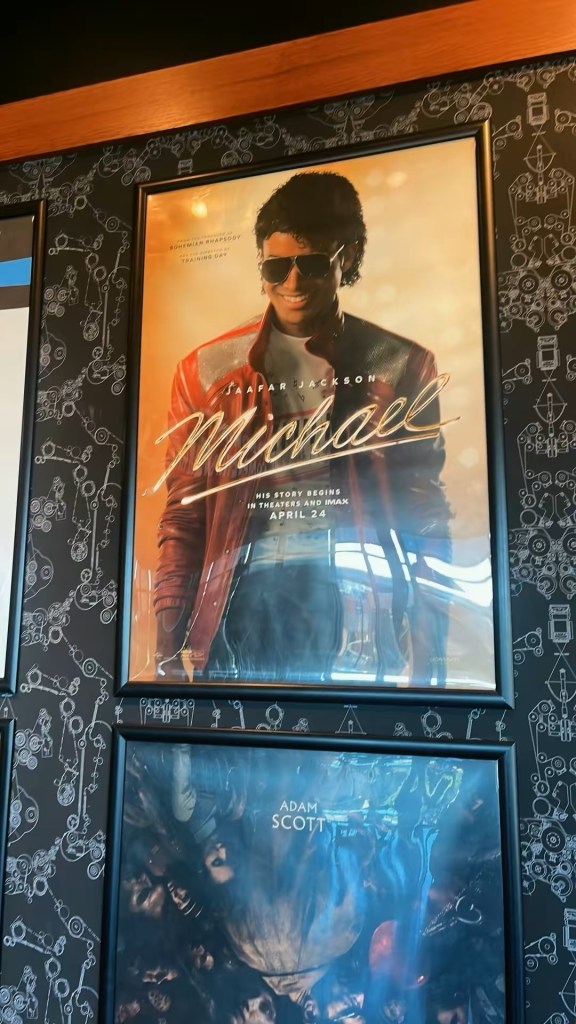
Another day, another early access movie premiere — and this time, I saw the highly anticipated biopic, Michael. This is a film I have been anxiously awaiting since the moment it was announced in 2019 that it was in development by Boeheim Rhapsody producer Graham King. As a self-proclaimed Michael Jackson historian, there’s probably nothing about him you can tell me that I don’t already know. In that case, when there are new projects about him, such as MJ The Musical (which I will be seeing in a few weeks), I get kind of weary. I feel that he is an extraordinary figure who deserves to be portrayed in the most respectful yet accurate way. Unfortunately, that has not always been done (*ahem* Man in the Mirror: The Michael Jackson Story, staring Flex Washinton.) But with this biopic, I think they’ve finally achieved the impossible.
Warning: Spoilers ahead!
When this biopic was originally announced, everyone’s main question was: Who would step into those loafers and play the greatest icon in music history, the King of Pop, Michael Jackson? Before we knew it, Jaafar Jackson came into the picture. Other than being Jermaine Jackson’s (Michael’s brother) son, most of us knew absolutely nothing about him. One of Jaafar’s music videos, “Got Me Singing,” started circulating, and the resemblance was uncanny. From that simple video alone, we could see he had so many similarities to Michael, from his singing style and his dancing to his mannerisms. Now, we needed to see if he had the acting skills to pull this all off.
After a few years of what seemed like complete silence from the cast, with an occasional interview from the director, Antoine Fuqua, or actor Coleman Domingo from time to time. We didn’t hear much from Jaafar. His Instagram was wiped clean, leaving only a rehearsal photo of him nailing Michael’s signature toe stand. He really created the perfect amount of suspense. Those who had the privilege of seeing an early teaser at CinemaCon in 2024 were the first to hear any insight into how well Jaafar embodies his uncle. It truly amped the excitement. Many said this would be the best biopic of all time, while top Hollywood executives invested more money in the project, implying that it will become a billionaire dollar production.
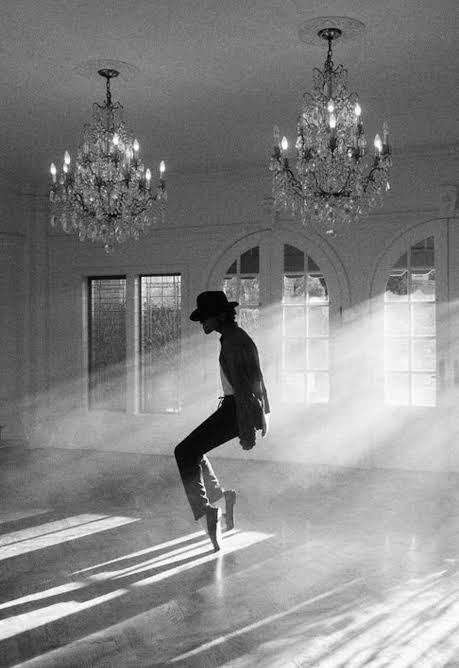
After many delays and reshoots, fans thought the movie would never actually be released. But then we finally got an official release date: originally April 2025, then changed to October 2025. Finally, April 24, 2026, became the official opening date. The teaser for the biopic, which dropped in November 2025, became the most-watched musical biopic teaser in 24 hours, with 116 million views across platforms. Despite the impending negativity, we knew this biopic was off to a great start.
Now we’re finally at premiere week, and of course, there was some controversy, which is usually expected when it comes to anything regarding Michael Jackson, it seems. The Los Angeles premiere was the first opportunity for most critics and journalists to review the film, but it did not go as smoothly as expected. By the next morning, after the embargo was lifted, headlines appeared everywhere: “Michael debuts with a score of 27% on Rotten Tomatoes.” The general public was shocked. We knew, obviously, that the film would not be perfect and that critics would judge it more harshly than others, but a score that low was not expected.
To be honest, I’ve never seen so much negativity about a film posted all at once. People who wanted the film to fail were jumping with joy at its potential demise. Not to be a conspiracy theorist, but it truly seemed like an orchestrated attack. Compared to the overall audience satisfaction and early reactions that said this would be the greatest biopic of all time, this score was a stark contrast. It just didn’t add up. As people began to read the reviewer’s reasoning for the low rating, it all started to click.
Outside of a few publications (mostly Black publications such as Ebony, Jet, and now Essence), the media has never been fair to Michael Jackson. This was a common battle throughout his life. How unfairly the tabloids and media portrayed him. Michael’ nephew, Taj Jackson, recently brought attention to this. This could be the best film in the world, but because of the long history of bias that certain publications have against him, such as Rolling Stone Magazine, it would never get a fair review. Simply because it involves Michael Jackson.
If it doesn’t portray him negatively, like recent documentaries, it’s an automatic bad score. That’s what we saw during the initial review. Everyone judged the film using the exact same words: sanitized and whitwashed. They mainly criticized the film for what they felt should’ve been in it, not for what actually was. Specifically, the 1993 allegations.
To note: this film ends in 1989, about three years before the first allegation was made. To my understanding, there’s no way they could’ve fit that storyline into it at that point. It also doesn’t make sense to judge the film on that specific time in his life if it is not on the timeline. You weren’t going to see it regardless. At least in this part. There’s already so much that wasn’t covered or cut because his life was so dynamic; you cannot fit every single detail into two hours.
At times, it feels a little rushed, but you do get the idea of the importance of what happened in certain scenes, for example, the 1984 Grammys when he won a record-breaking eight awards in one night. It’s sort of glossed over, but the impact is still there. For such a serious subject matter, you wouldn’t want that to be glossed over. It needs to be shown in detail and factually, not just how the media told us.
Side note: If you want to learn more about the allegations yourself, I highly recommend themichaeljacksonallegations.com for a cohesive timeline and the court documents crucial to understanding, regardless of your stance. Another great resource is journalist Jael Rucker, who is an expert on this subject.
Another reason this subject matter was not shown in this part of the film was an apparent clause in the 1993 settlement that prohibited his estate from depicting the accuser’s family. This case was settled out of court due to negligence after Jackson initially refused. Also, due to his civil rights being violated, which many legally experts feel. This is when a civil case could go before a court of law, whether you were guilty or innocent. The accuser’s family pursued the civil case and declined to participate in any future criminal proceedings. Therefore, this law has now been changed.
There is obviously a way to work around this, such as not mentioning the family at all. There are members of the Jackson family who are not shown on screen, but you know they exist. So obviously, a character does not need to be shown to have a role in the story. There is also the 2005 trial, which can also be shown legally. Even though Jackson did not go to trial in 1993, evidence from that case was also used in the 2005 trial. The accuser’s family also refused to participate in this trial. Jackson was acquitted on all counts.
Detractors of this film accuse his estate of wanting to hide the truth, but technically, it was already written, parts were filmed, and roles were cast to portray his lawyers, such as Johnnie Cochran. I highly doubt they would want to spend millions of dollars on reshoots when the film was practically finished. But the director, producers, and cast have all also subtly confirmed a part two, so now, the critics shall get their wish. Most likely, they’ll still complain because it won’t be portrayed the way they want, but you’ll get to judge for yourself.
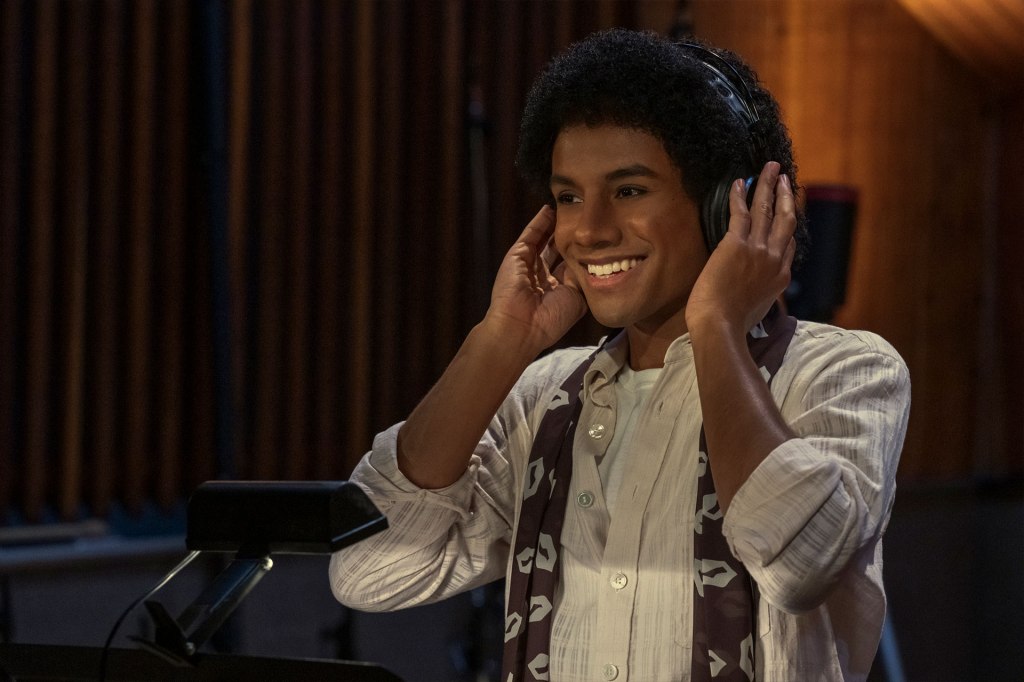
Overall, I think this biopic is perfect if you are unfamiliar with Michael Jackson as a person. You’ll get to see how sensitive, emotional, and charitable he was. How the world’s issues deeply affected him, inspiring his music and short films, such as Beat It. You’ll see how determined he was to succeed. He constantly spoke and wrote affirmations to himself. He visualized and manifested his success. He would always be looking for a sign from above to create. He never felt like the ideas came from him; God gave them to him.
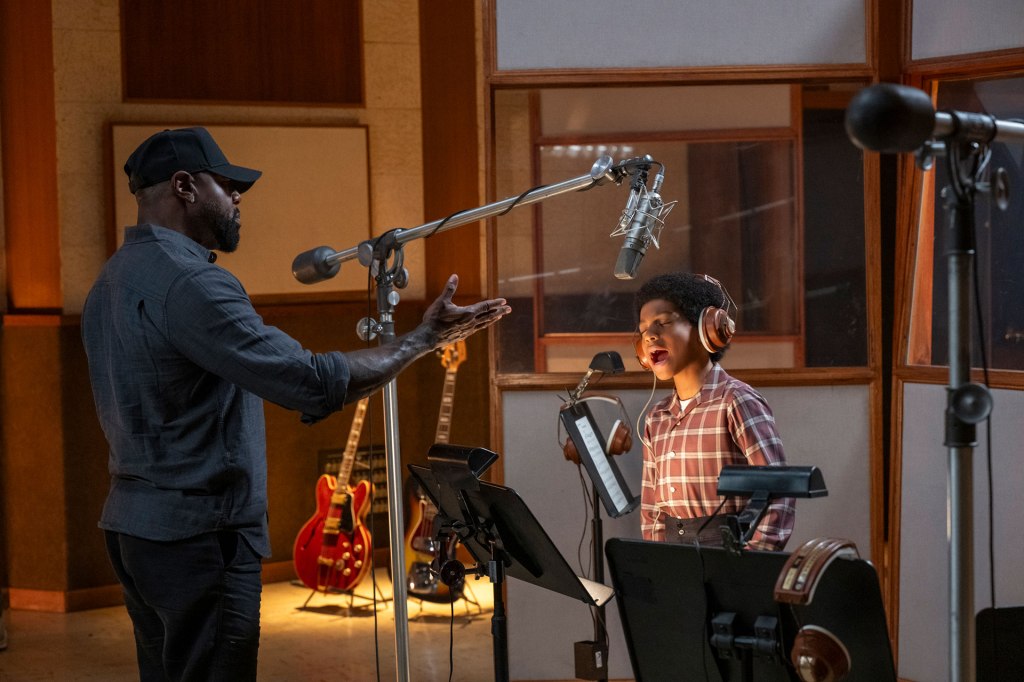
He constantly sought out freedom from his father and his family, which, overall, was his biggest struggle during that time period. Transitioning from a child star to being seen as an adult is never easy. We have seen many celebrities like Justin Bieber, Miley Cyrus, Britney Spears, and more struggle to this day. But the release of the 1979 album, Off the Wall, allowed him to achieve that. I loved how they showed his relationship with Quincy Jones and how that challenged his sound. There’s a scene when they are recording the song, Don’t Stop til’ You Get Enough, where you see how deeply he felt these more sensual lyrics. They were completely different than anything he ever recorded at Motown. There was a force inside of him that was ready to be free.
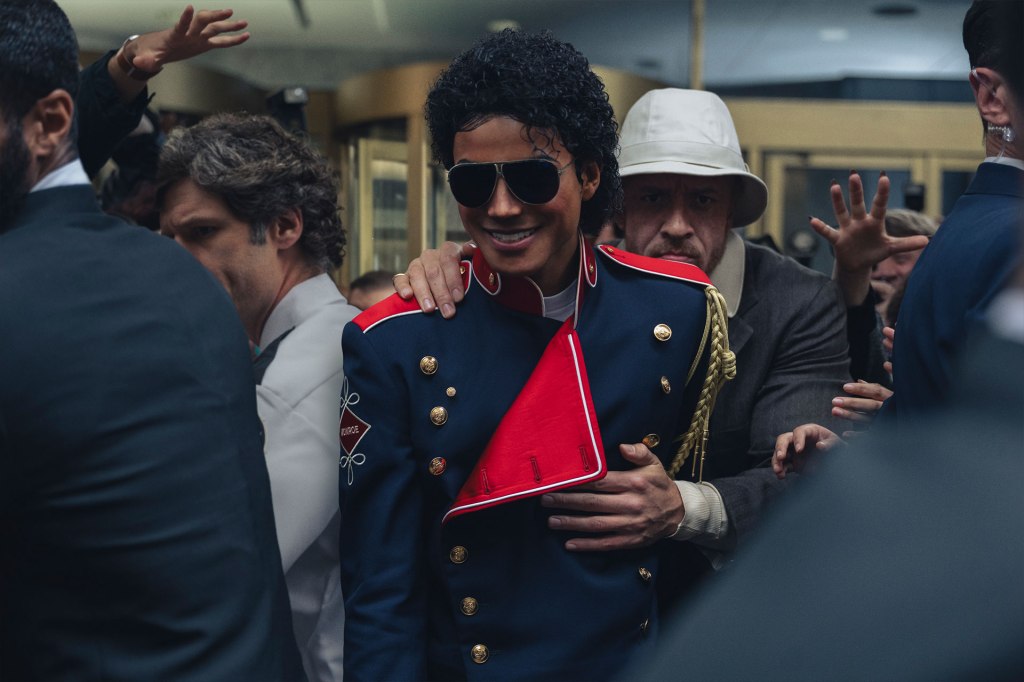
Another important aspect of the film is how he sought out a father figure that he couldn’t find within his actual father, Joseph Jackson. From Motown founder Berry Gordy to his head of security, Bill Bray, he needed comfort and guidance, and they made sure to give him what his father refused to. The scene that stood out to me the most regarding his dynamic with his father was one of the first sessions, in the studio as a child with Berry Gordy.
Gordy is trying to explain to Michael the different gadgets in the studio and what they mean during their first Motown sessions. He saw so much potential in Michael and had no problem teaching him. Joseph then tries to take Michael away, implying that he is bothering Gordy. This is after multiple attempts by Joseph to control Michael rather than listening to Gordy’s instructions. Michael then hugs Gordy, and while he reassures that Michael can ask him anything he wants. You can see the concern on Gordy’s face when Joseph comes around. He wanted to give Michael a safe space, which he doesn’t have with his father. Joseph’s reaction to that moment is priceless to me.
Another scene would be when Michael’s scalp is burned during the 1984 Pepsi Commercial. When the whole family is in the hospital, distraught over Michael’s impending condition. The doctor explains how Michael could’ve died. I had always seen the video of his hair being burned, including the distasteful parodies, but I never knew how serious it was. He was in constant pain and needed multiple surgeries, which eventually started his addiction to painkillers. This accident changed the trajectory of his life. He even had to wear wigs from that point on because his nerves were exposed due to the 3rd degree burns. If the fire had reached his eyes or clothes, he would’ve been gone in that instant. But, of course, Joseph only cared if Michael would ever be able to perform again.
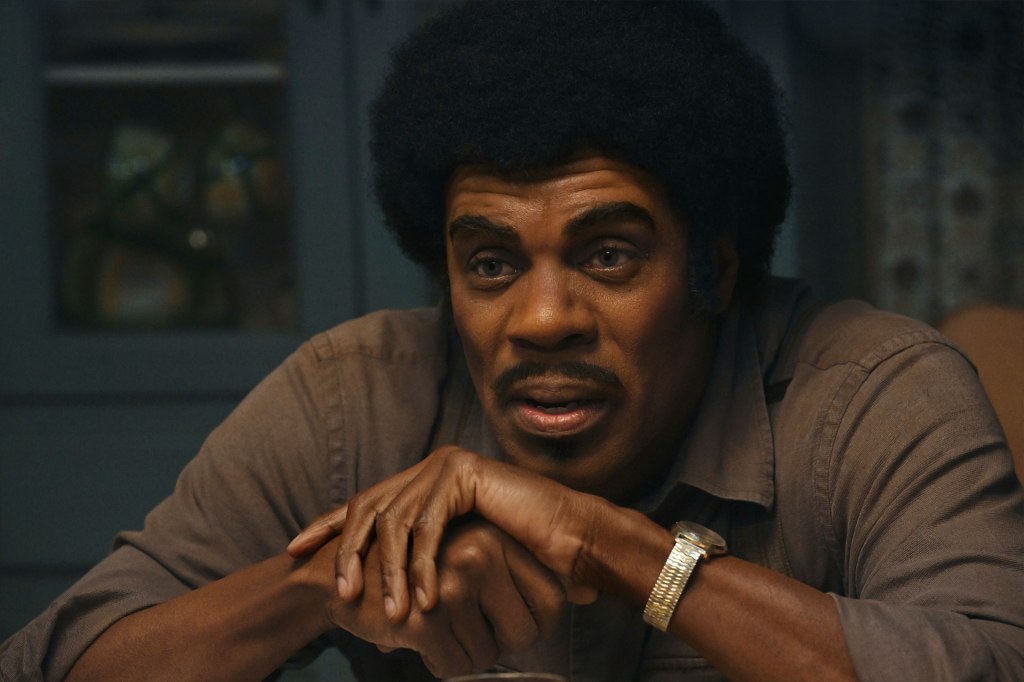
He saw him as a way to make money, and Michael felt exploited by him. Coleman Domingo, who plays Joseph, wanted to humanize him by showing the struggles of being a poor black man working in a steel mill in Gary, Indiana. Joseph obviously had his own struggles and trauma from that time in his life, and never wanted to go back into that situation. Unfortunately, his relationship with his children was sacrificed for their success.
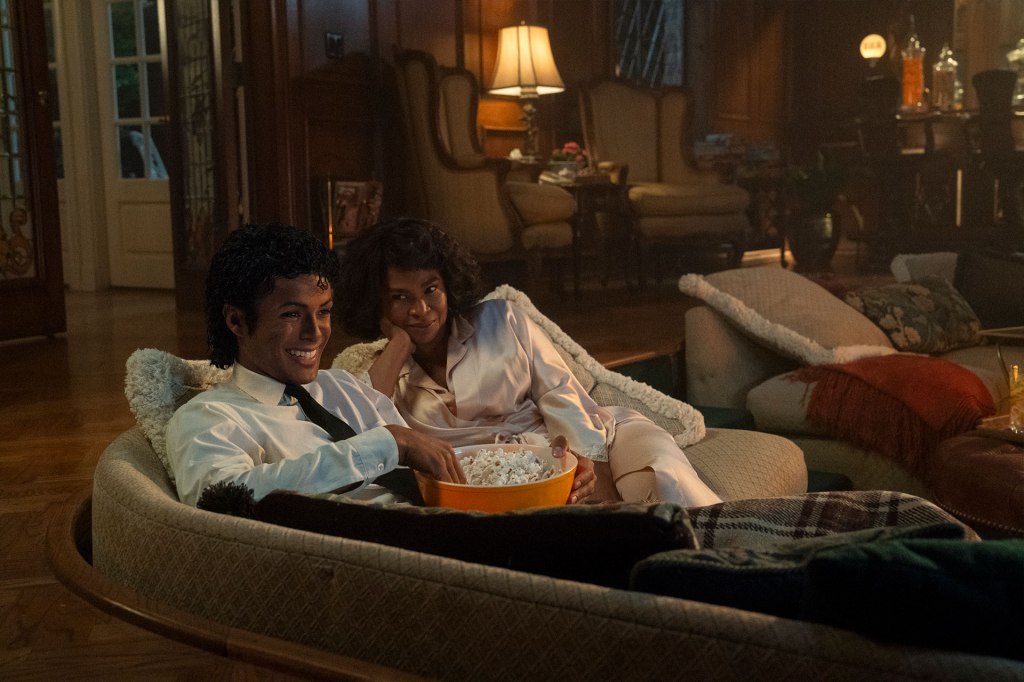
I also appreciate how Nia Long portrayed his relationship with his mother, Katherine. They had a very close bond, and his mother was really all that he had in his saddest moments. When Joseph was tough, Katherine was the calmness that he needed. Given the dynamics of the time period, with the man as head of the household, she never really had the right to speak up and defend her children or herself when needed. When she tried, there was always pushback from Joseph and his intimidating aura. This subject surfaces later in Michael’s life, when he struggles to speak up for himself and asks others to do it for him, especially when it comes to his father. He doesn’t find the strength within his own voice to speak up until the end of the Victory Tour. There’s also a scene where Katherine finds her voice and finally tells Joseph what she thinks, which is a much-needed reality check for him.
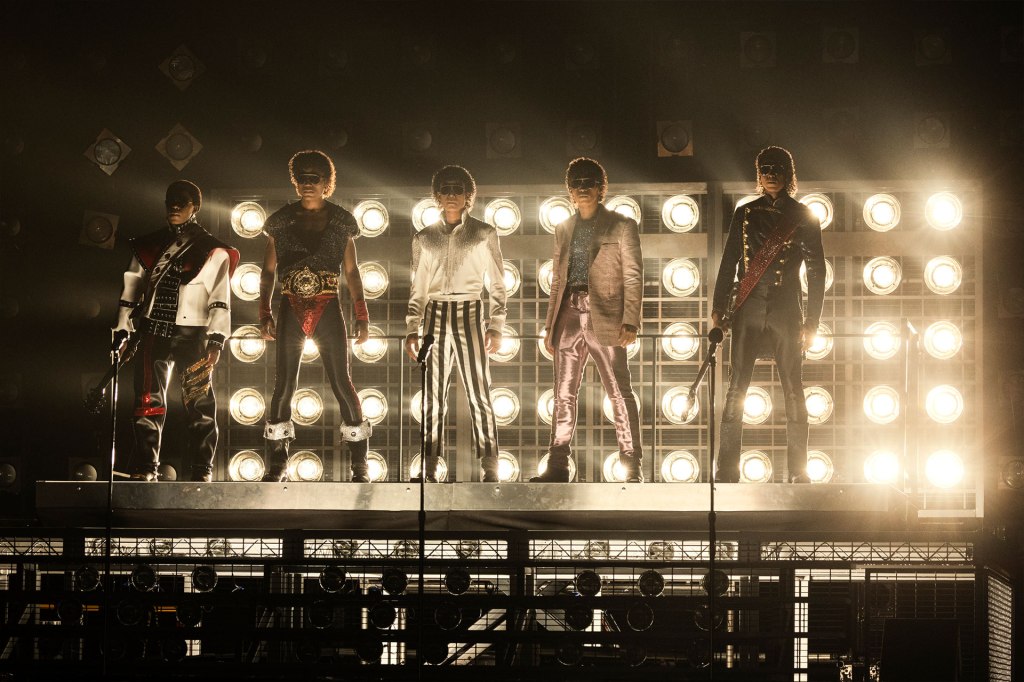
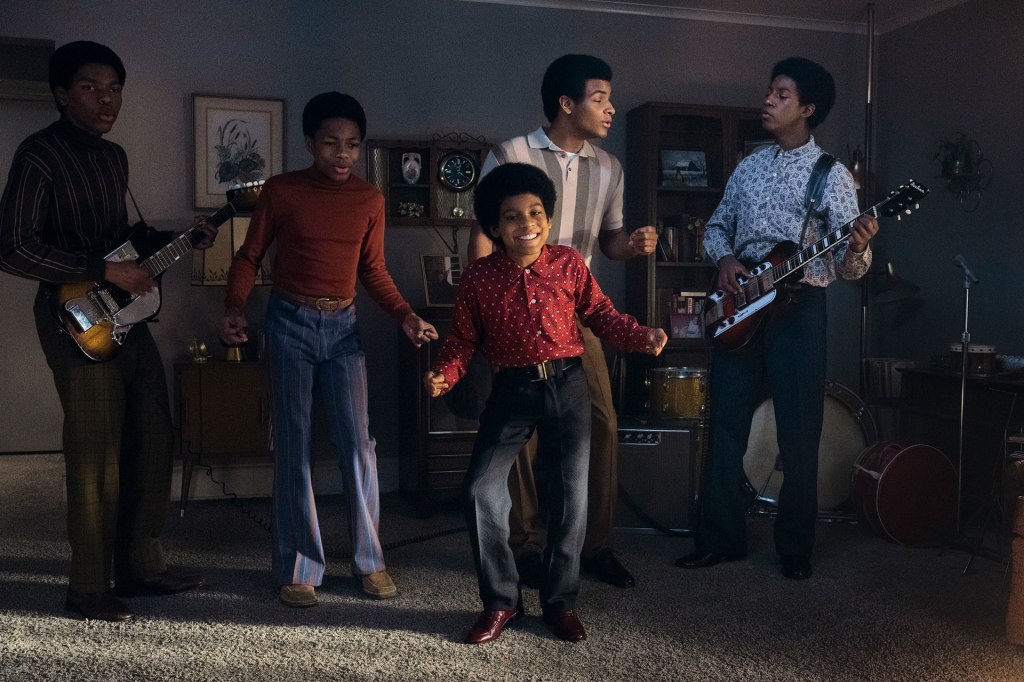
As for his relationships with his siblings, there honestly isn’t much to say. They have the standard sibling dynamic. If anything, Michael felt disconnected from them at times because they were off on their own, starting families, and he hadn’t experienced that yet. He was still living at home and finding his own path. Again, a few siblings are obviously missing due to legal issues; in my opinion, it doesn’t make much of a difference. If you want a more detailed look at what the other Jacksons were going through at the time, including their father, the mini-series The Jacksons: An American Dream is perfect for that. I feel like this biopic takes into account what was already shown in that series, so it’s crucial to watch that as well.
I remember the director, Antoine Fuqua, stating that, while researching this film, he didn’t realize how lonely Michael was, and that this is a heavy subject throughout the film. It started in his childhood when he could not make friends, because they only cared about his fame. As an adult, he still struggled with this. Basically, trying to live out the childhood he never had. Detractors will say his childhood is just an excuse for his later behavior and his relationship with children, but it’s not something that can be ignored.
He had a fascination with Peter Pan and Neverland — the boy who never wanted to grow up. Some may call it Peter Pan syndrome. One of the first scenes in the movie shows him staring out the window, watching kids in the neighborhood playing before he is forced to rehearse. At night, he would read and dream about this magical place where he didn’t have to experience that. Making his father, Captain Hook, the story’s villain. In a way, he was dissociating from his reality, which sometimes is a trauma response. It can also be seen as age regression to others in his later years, but we cannot diagnose him. This heavily affected him in a way that I feel most cannot relate to. Another common theme in the film is people telling Michael that he is different than everyone else, and honestly, he was.
Many people try to understand Michael’s behavior, and it is always very surface-level. They can only describe him as weird or odd when they look at his life from the outside, but we did not have a life like his. He was very isolated and could not relate to his peers. He considered his only friends to be his animals. His only enjoyment outside of music is going to toy stores and watching cartoons while eating ice cream with his mother. He spent his free time donating to charities and visiting sick kids. He had a very childlike nature and a wonder that he refused to let disappear.
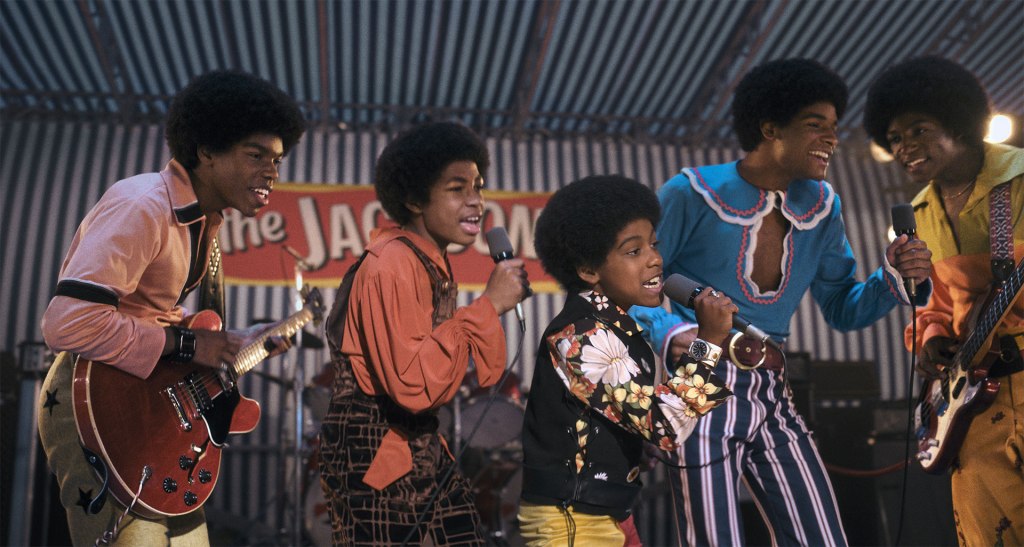
To adults who have let the harsh realities and traumas of the world turn them cold, his childlike actions and personality would seem odd to anyone. He constantly had people outside screaming his name when he felt most alone. He was geared towards those who saw him simply as a human being. The average person just simply cannot relate to him. This can explain his later friendships with Elizabeth Taylor, Macaulay Culkin, Emmanuel Lewis, etc. These were child stars who, to an extent, knew what he was going through. But this was just his reality.
Critics will say this film tries to make him into Saint Michael, presenting him as having done no wrong. But in reality, during this time period, this is just who he was. Someone pointed out that during the eighties, Michael was judged for not being as wild as other stars at the time. The most he did was go to Studio 54, which is briefly shown in the film. Michael was also a Jehovah’s Witness, and they were heavily watching him at the time as well. Critics expected him to be portrayed in a more scandalous manner, but, to be historically accurate, Jaafar portrayed him exactly as he was. A man who spent his time determined to bring people all over the world together with his music and become the greatest entertainer of all time.
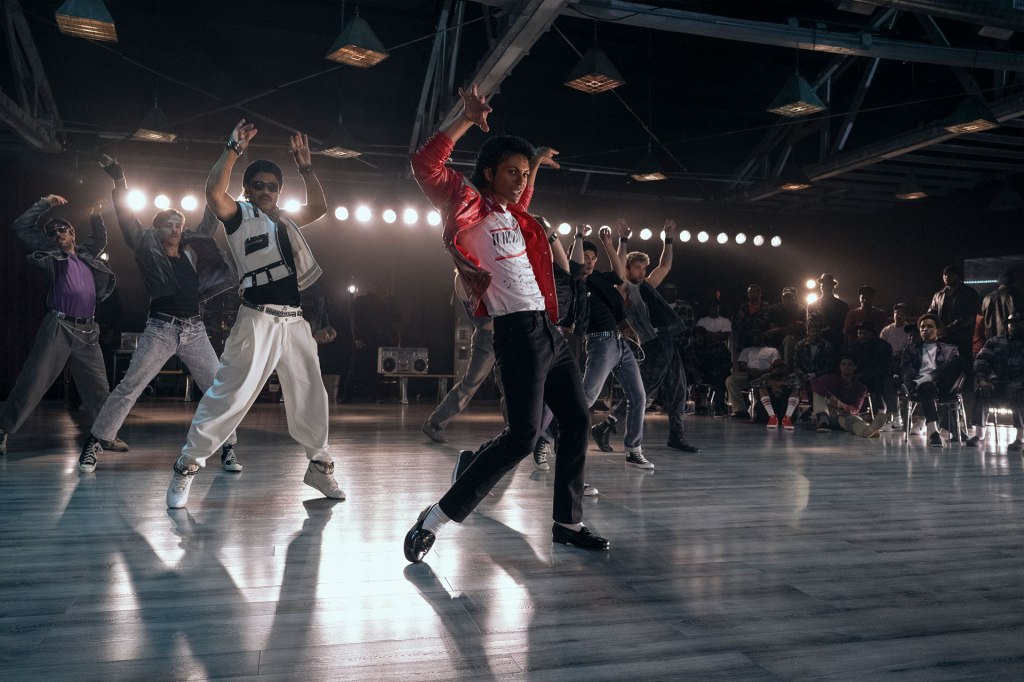
Of course, there are some things I would’ve liked to see in more detail and the scenes that were cut like the premiere of The Wiz with Diana Ross and his relationship with her, how he met Quincy Jones, the period after the Victory tour to the Bad Tour, some of his Hollywood friendships, racism from Off the Wall with the end of the Disco era, and more. But it does touch on important subjects in his life and moments in his career, such as his first plastic surgery, his experience with vitiligo, racism from MTV with them refusing to play Billie Jean, the process of making Thriller and Beat It, the Pepsi accident, and his overall breaking free from his father and creating his own team.
These are all the crucial moments that shaped him into becoming the King of Pop and changing the music industry forever. If anything, this film was meant to humanize him, and if you do not walk into it with an open mind, you will miss its true purpose. You have to leave your bias at the door.
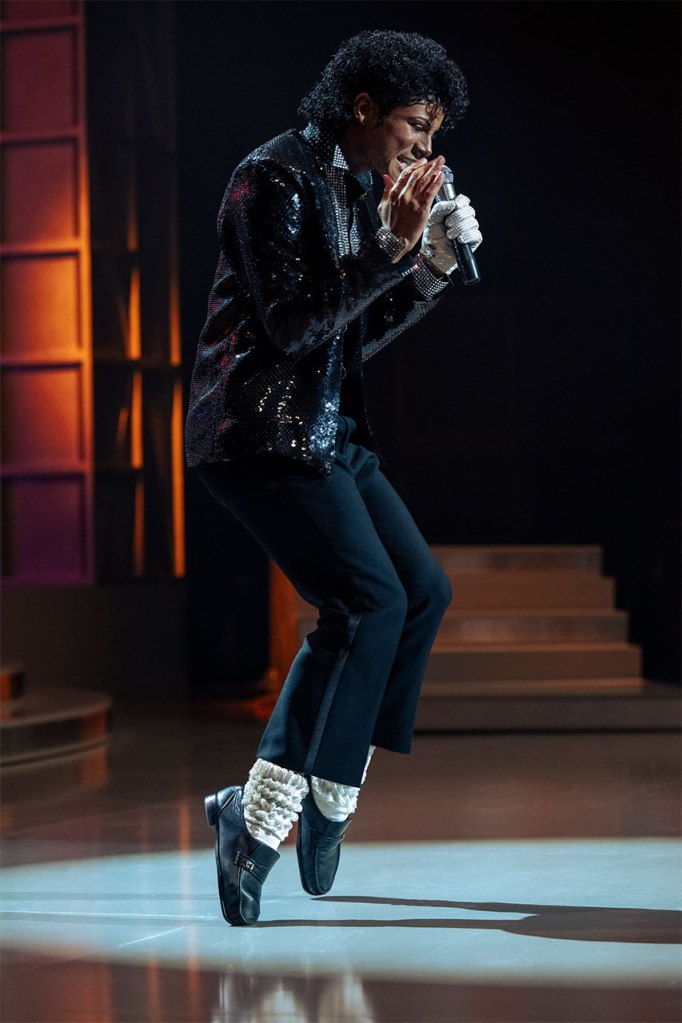
Jaafar Jackson did a phenomenal job. You can tell that he wanted to make his uncle proud, and he did just that. He has dedicated the past few years of his life strictly to this film, and it shows in his performances, to his voice, smile, and even his laugh. The mental strength and physicality of what he had to endure to prepare, shows that he truly put his heart and soul into this role. He said that it felt like a calling to him, and I definitely feel the same way. It was meant for him. People tend to have issues when it comes to Hollywood and nepotism, but this is one of those situations where you just have to accept it. None could’ve played this role but him.
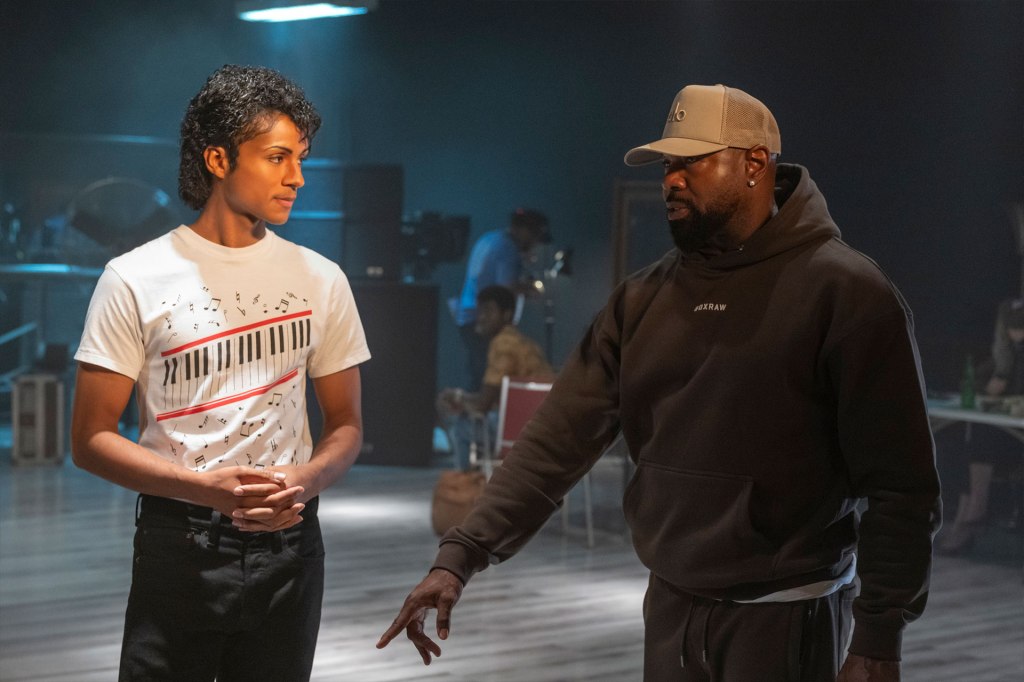
This is his first acting role, as is Juliano Valdi, who plays younger Michael. They both embodied him in ways I never thought possible. The entire cast, from the Jackson brothers, Latoya, Berry Gordy, Gladys Knight, Suzanne de Passe, Quincy Jones, and even John Branca, everyone truly studied each character, which shows so much talent and precision. You would think you were watching it happen in real life.
No biopic is perfect, but looking back in history to films we all love, such as What’s Love Got to Do with It, The Temptations, Get on Up, The Wiz, Dreamgirls, and more, they didn’t initially get the raving accolades they deserved, but over time, in our households, they became classics. I have a feeling Michael will too. Someone pointed out that Thriller was even perceived negatively at first, and now it’s the greatest-selling album of all time.
I would advise you not to get too caught up in the negative waves and review bombs happening right now and go see the film for yourself. It is to celebrate Michael’s everlasting legacy, and if anything, I left the theater hoping to someday make an impact on this world as he did. I loved seeing everyone dressed up in their favorite MJ fit. Even the kids in my theater jumped out of their seats to dance during the credits; they weren’t even alive when Michael passed away. This film is already creating a new generation of fans.
After the early access review, the audience score is now at 94% showing that critics don’t always have the final say.
This film will inspire you to live out your purpose, as Michael did. Maybe that’s the true message you will get from this film in the end.
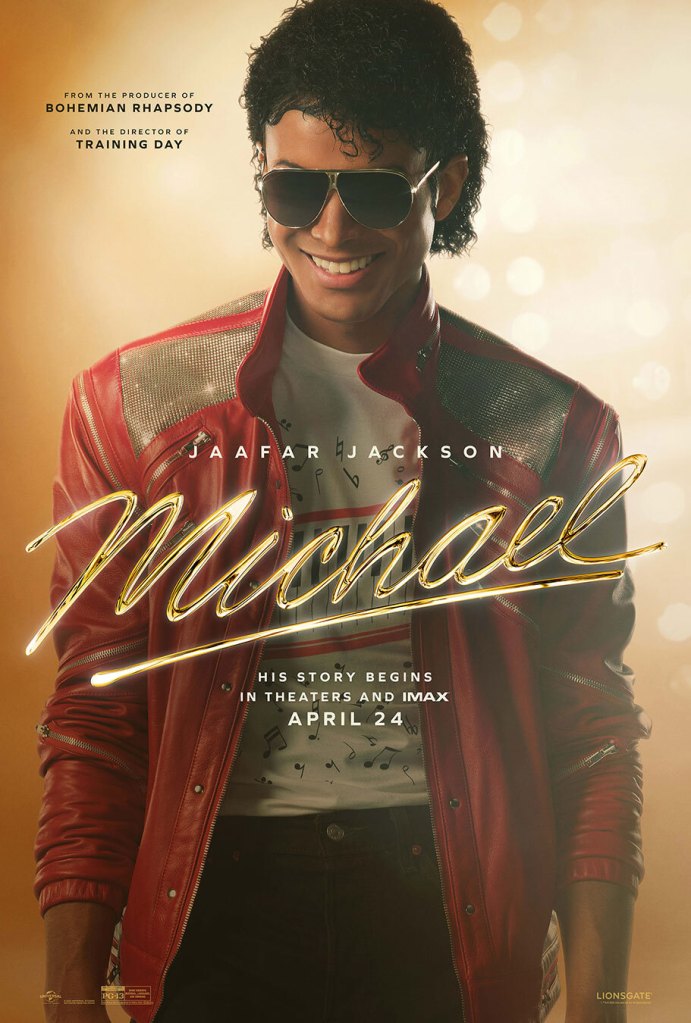
See Michael in the theaters on April 24th. Get your tickets here.
What was your favorite part of Michael? Comment Below!

Follow Kadiskreations on Social Media


Copyright 2026 @ Kadiskreations All Rights Reserved.

 Kadiskreations